Tenuta Friggiali Logo 0%

The cellar

The cellar

Located southwest of Montalcino in the Friggiali district, the winery spans approximately 2,500 square meters and is nestled among the estate’s own vineyards.

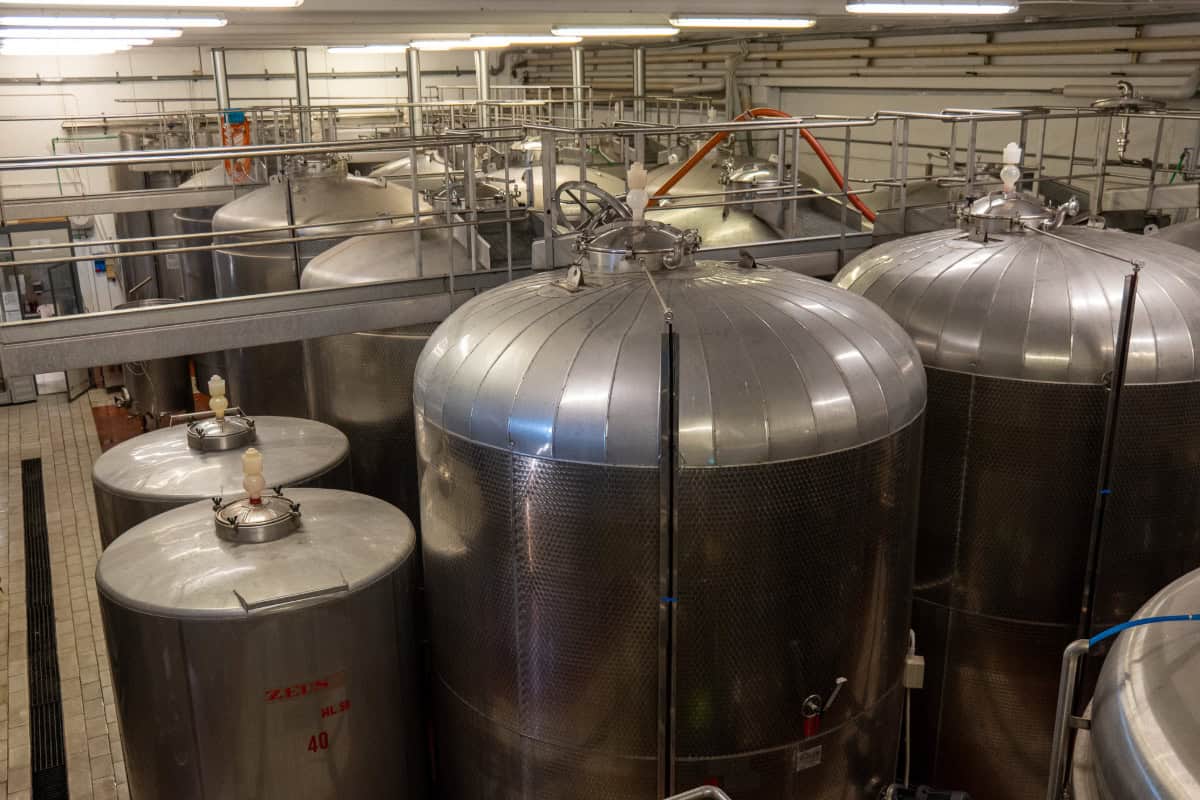
The facility is designed to blend operational efficiency with a deep respect for the grapes: it features 50 temperature-controlled stainless steel tanks for the separate vinification of individual parcels, along with modern grape-sorting technology.

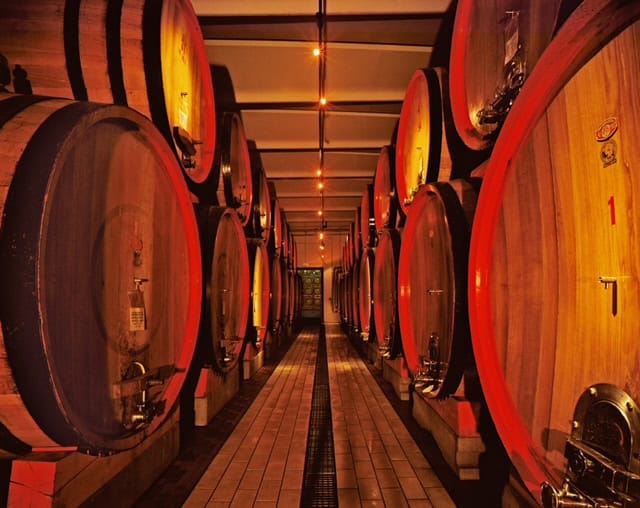
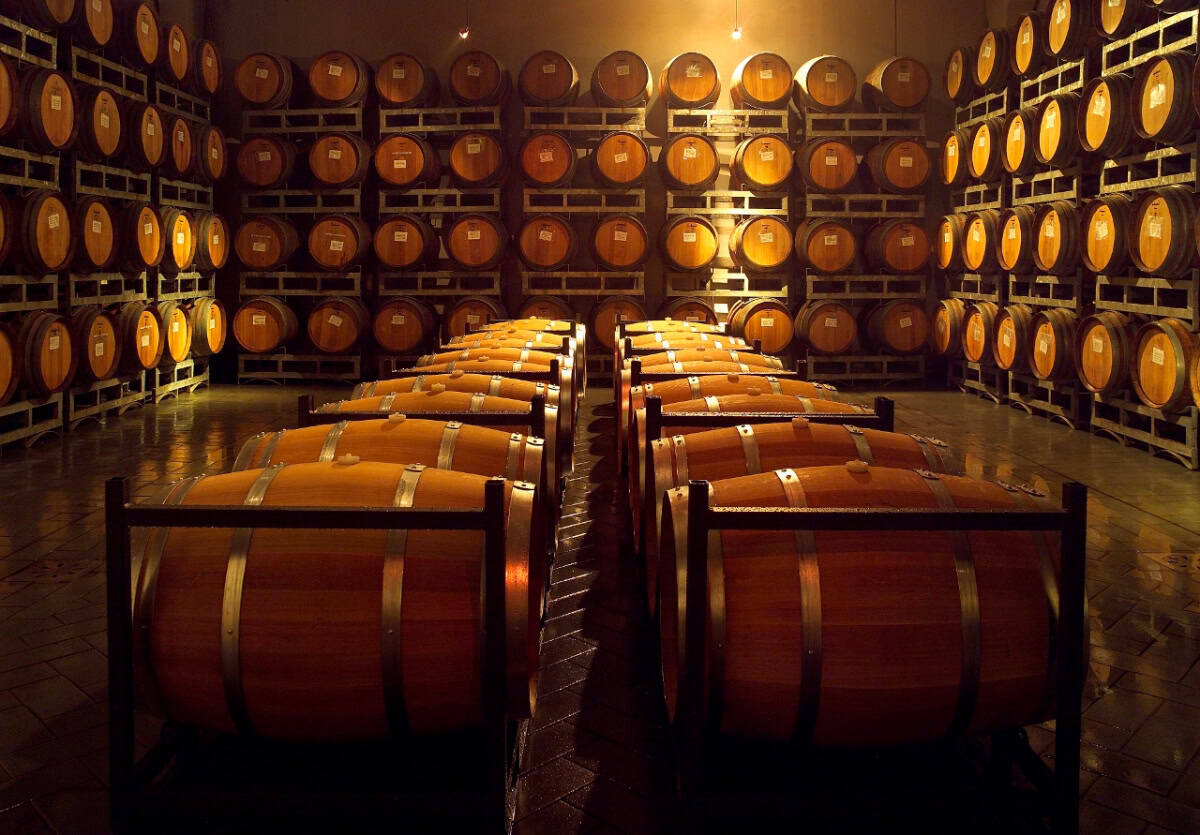
For aging, the barrel room houses approximately 70 large casks and 40 tonneaux; the combined use of Slavonian and Allier oak allows for a refined evolution of the wine, enhancing both its structure and elegance.

cantina
fermentazione

Fermentation

Alcoholic fermentation is envisioned as an ancestral biological process, governed today with rigorous scientific precision.

This crucial phase—where sugars transform into alcohol through yeast metabolism—requires meticulous management at every step to ensure the raw material expresses its full potential.

The journey begins with a morning harvest to preserve the grapes’ natural freshness, followed by a thorough sorting process using modern roller selection tables.

This choice reflects the estate’s philosophy: pairing tradition with the efficiency of contemporary technology to guarantee the highest standards of hygiene and fruit integrity.

Once in the cellar, the grapes are gathered in temperature-controlled stainless steel vats, where constant thermal monitoring acts as the true guardian of quality.


Avoiding excessive temperature spikes is essential—not only to safeguard the vitality of the yeasts but also to protect the integrity of the most volatile aromas and prevent the extraction of harsh or bitter tannins.

The fermentation dynamics are further guided by pump-overs (rimontaggio) and délestage, practices essential for oxygenating the must and favoring the extraction of noble components from the skins and seeds.

Far from being standardized interventions, these maneuvers are calibrated daily by our cellar technicians through repeated tastings, adapting the timing and methods to the specific evolution of each individual batch.

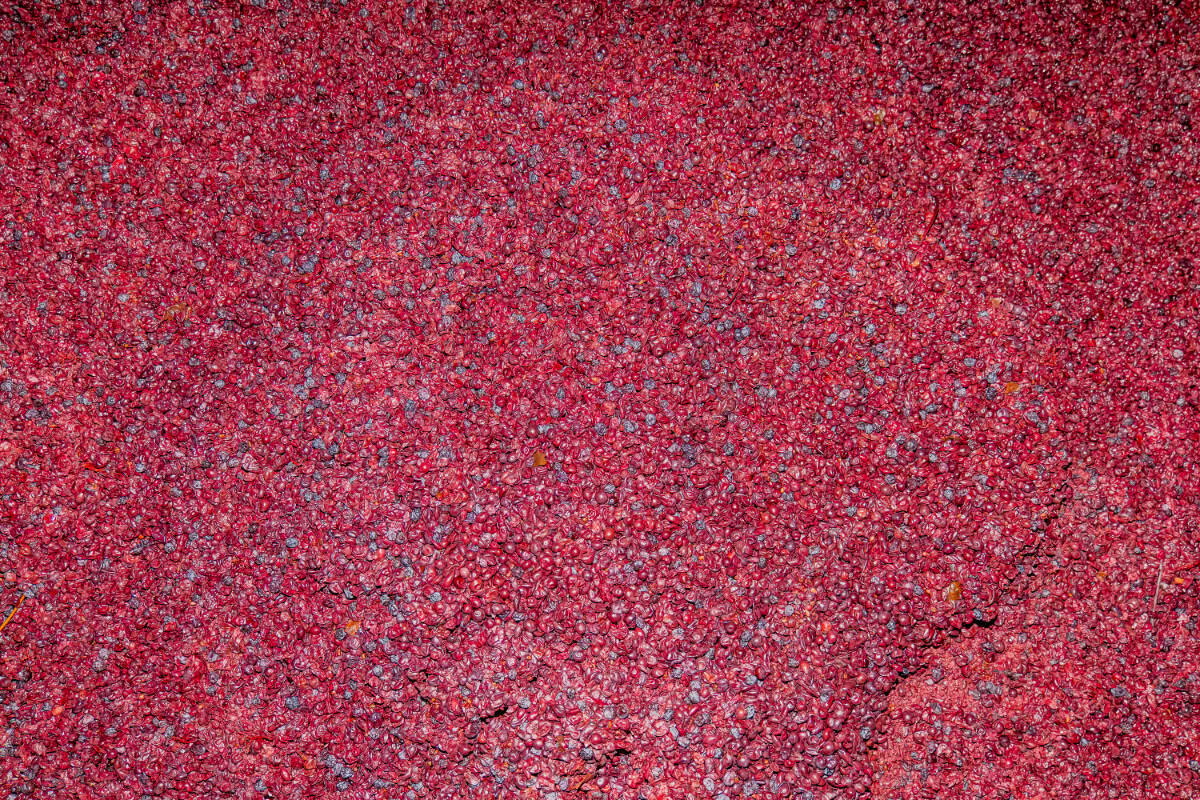
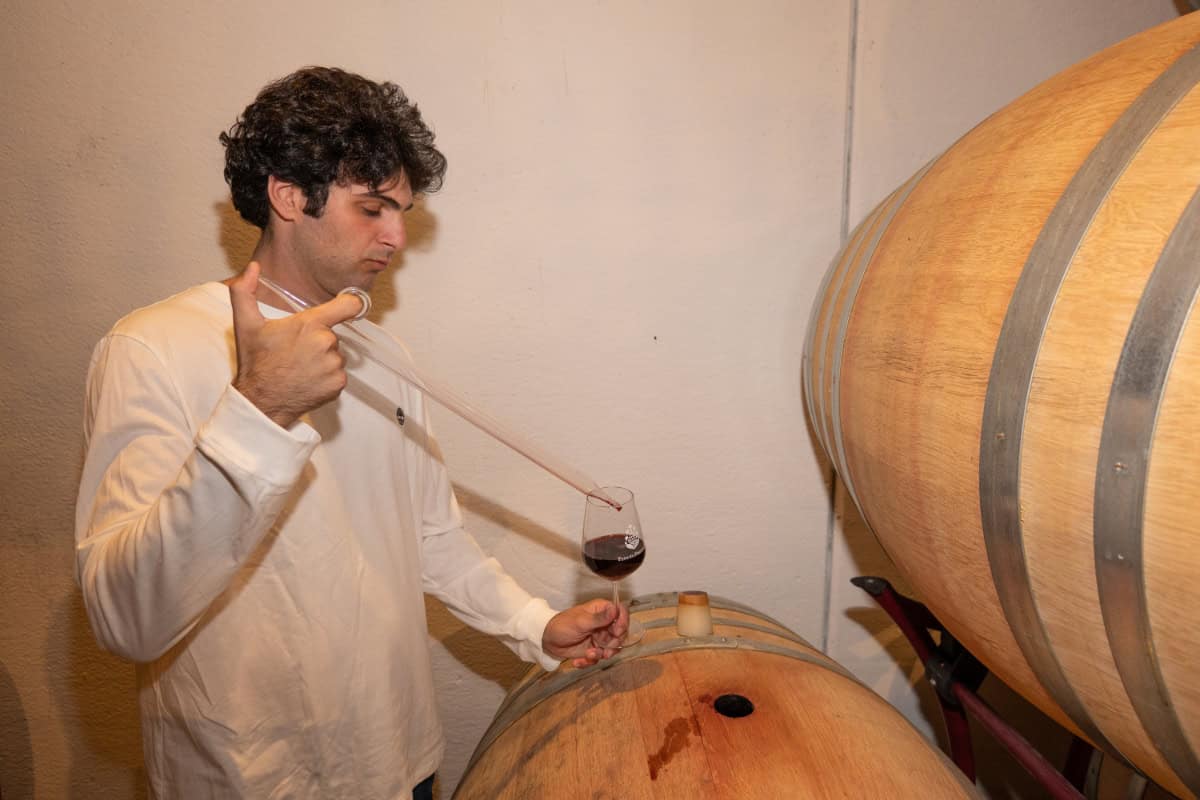
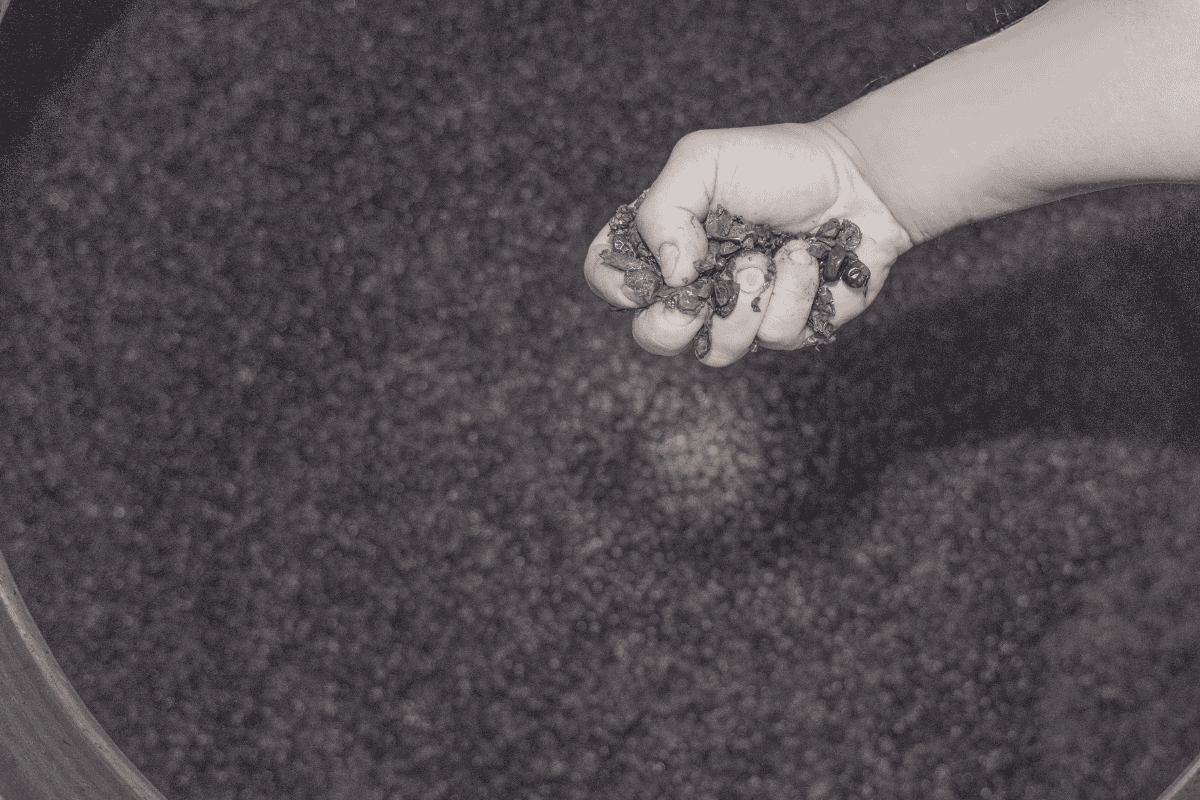
Infine, la fase della macerazione rappresenta il momento in cui il vino definisce la sua struttura, il colore e il suo corredo aromatico. Finally, the maceration phase marks the moment when the wine defines its structure, color, and aromatic profile. As an extremely delicate process, maceration is subject to rigorous monitoring: through regular tastings, we evaluate the progression of tannic finesse and complexity, pinpointing the ideal moment for devatting (svinatura).

This signal is captured the moment astringency begins to emerge, ensuring a balanced wine that serves as an authentic mirror of the grape’s character and the identity of the Montalcino territory.

assaggio_cannula_friggiali
cantina_friggiali_acciaio

Racking

Once maceration is complete, the devatting process begins, separating the “free-run wine” (the liquid portion) from the skins.

The wine is then transferred into stainless steel tanks where malolactic fermentation takes place. During this phase, malic acid is converted into lactic acid, making the wine softer, more stable, and more harmoniously balanced in its aromatic profile.

PRESSING

The pomace is pressed gently and gradually to obtain the ‘pressed wine’. When extraction is not excessive during maceration, the skins still retain their noble components, giving rise to rich but balanced pressed wines. Thanks to modern technology, extraction is controlled to avoid low-quality fractions: if successful, this wine adds structure and depth to the free-run wine during blending, without altering its balance.

pressatura_friggiali
cantina_friggiali

Barrel Aging

Dopo la malolattica in acciaio, il vino passa in botti di rovere di Slavonia e Allier da 30, 50 e 60 hl. Following malolactic fermentation in stainless steel, the wine is transferred to Slavonian and Allier oak casks with capacities of 30, 50, and 60 hl. The use of barrels of varying ages ensures that the character of the terroir is never overshadowed by the wood. This combination of newer and more seasoned casks allows us to achieve complexity, balance, and depth, harmoniously integrating structure and finesse. While the Brunello di Montalcino regulations require a minimum of two years of aging, the actual duration is determined solely through continuous tastings, identifying the moment when each individual batch reaches its peak equilibrium.

Bottling

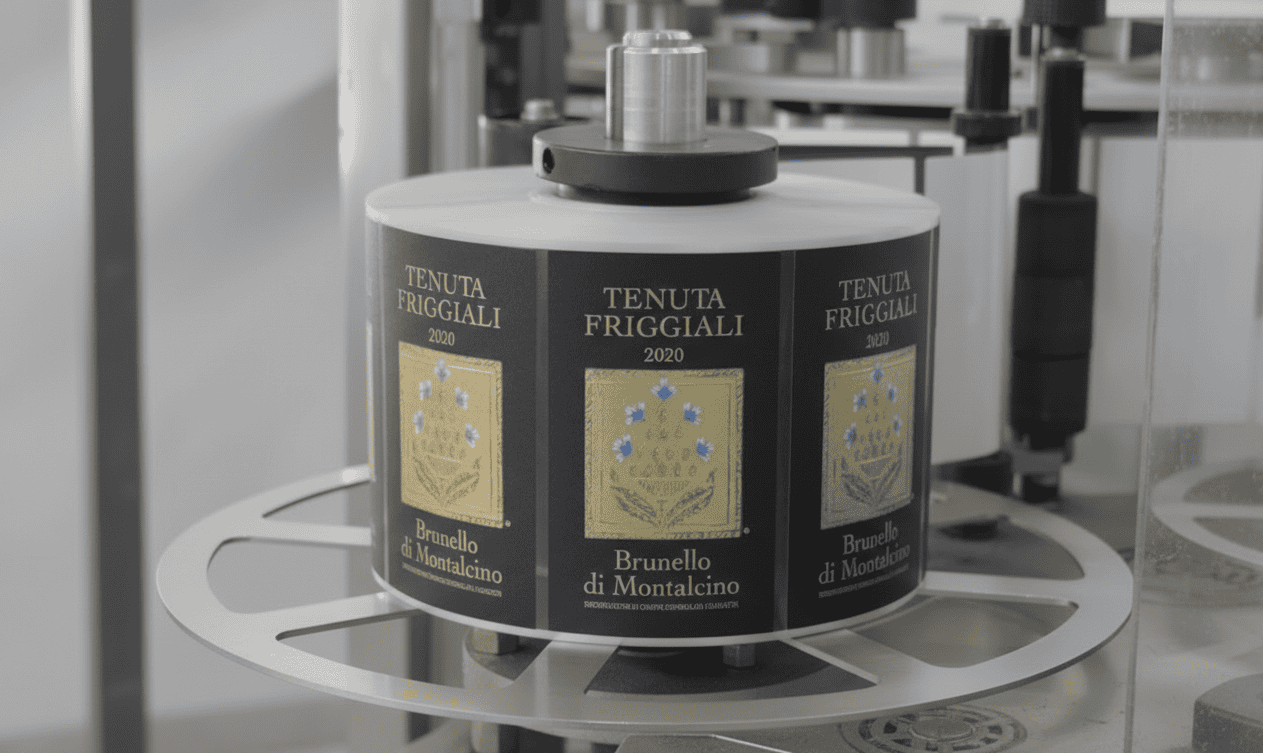
Bottling is a delicate phase conducted under the strictest hygienic conditions to preserve the wine’s integrity and quality. Once bottled, the wine undergoes a resting period of at least four months; this time is essential for the wine to recover from “bottling stress” and to allow it to harmonize and stabilize before its commercial release.
It is a silent yet necessary period, during which the wine gathers itself and prepares to express its unique identity and its deep connection to the Montalcino terroir.

Discover The Estates
etichettatura_friggiali