Tenuta Friggiali Logo 0%

The Vineyards

tenuta_friggiali_podere

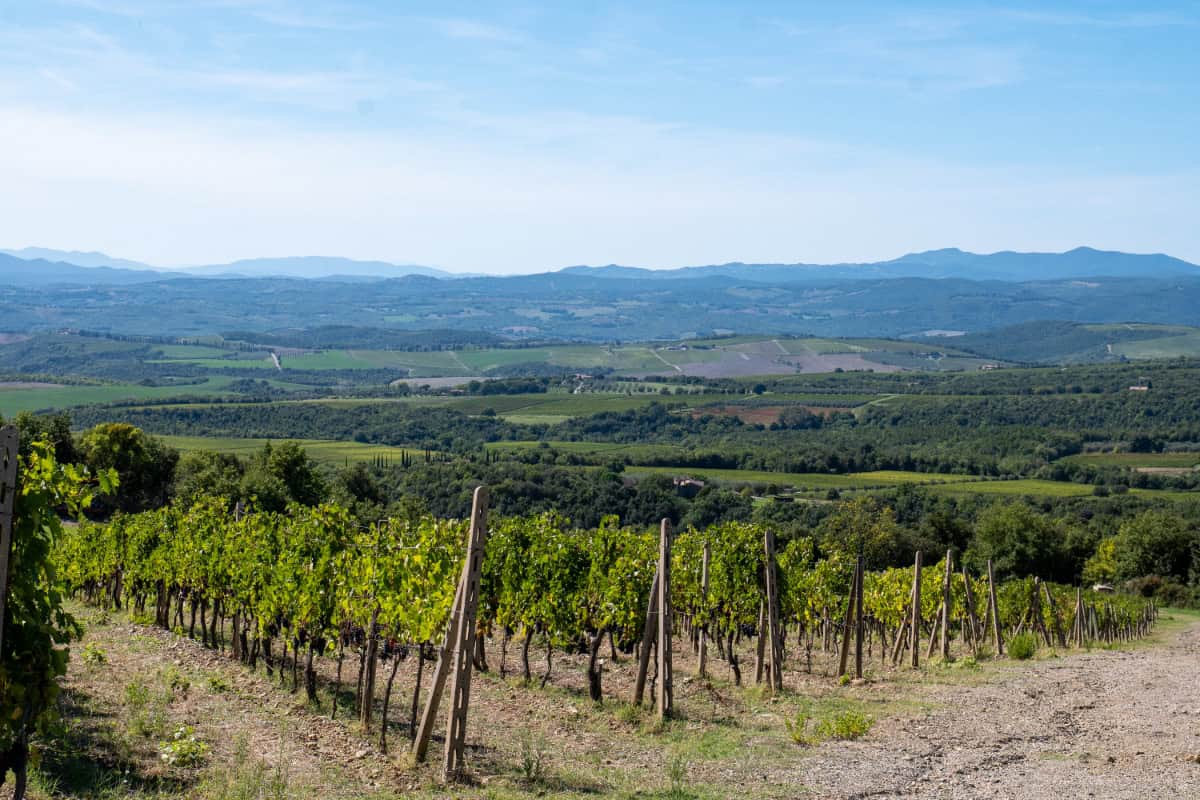
The first great vineyard that visitors encounter on their right as they descend along the Maremmana road is called Focaia, named after the widespread presence of flint stones (pietre focaie)—enduring witnesses to the soil’s volcanic origins.

Continuing further down, you meet the Friggiali vineyards, which give the entire estate its name.

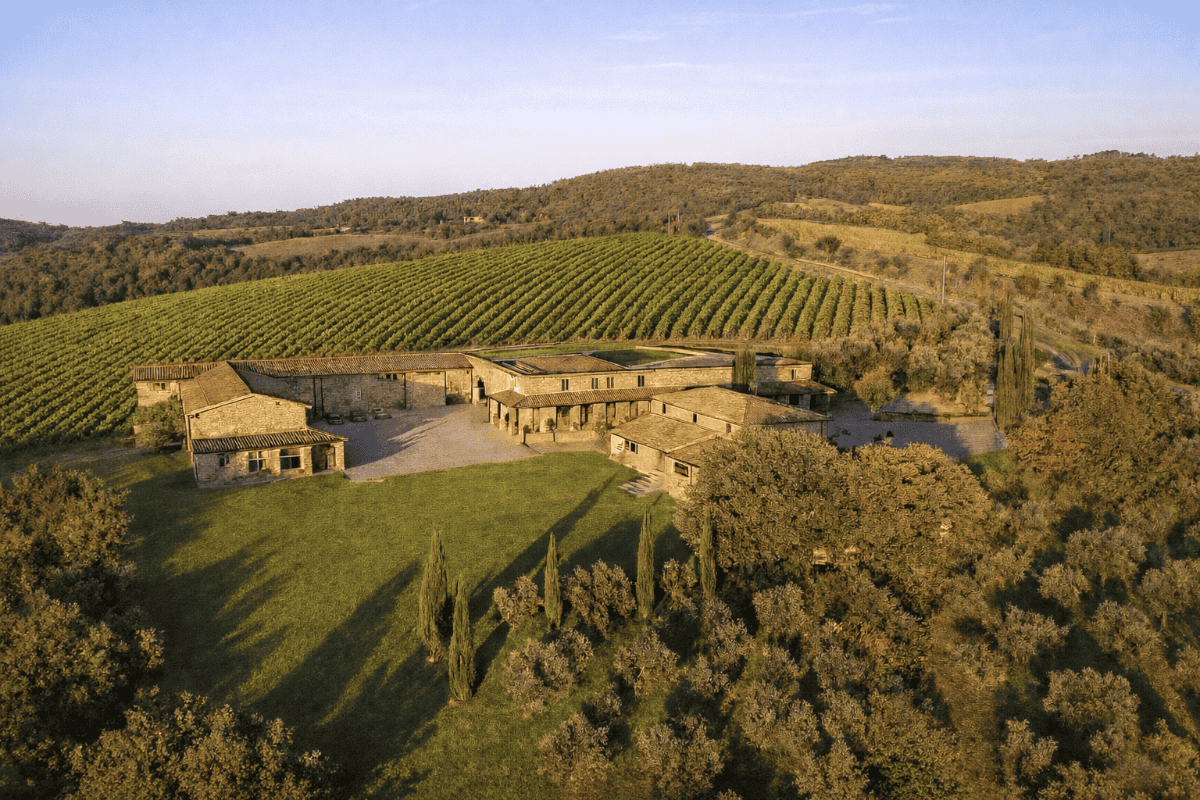
They surround, in a perfect embrace, the winery, the modern offices, and the small, refined Relais that has welcomed so many lovers of our wines over the years.

The name Friggiali likely derives from the vulgarization of the Latin Frigidi, perhaps in the sense of “cool and airy.” Indeed, here more than elsewhere, the breeze dries the vines after the rains and protects them from the dreaded powdery mildew (oidio).
The Soil

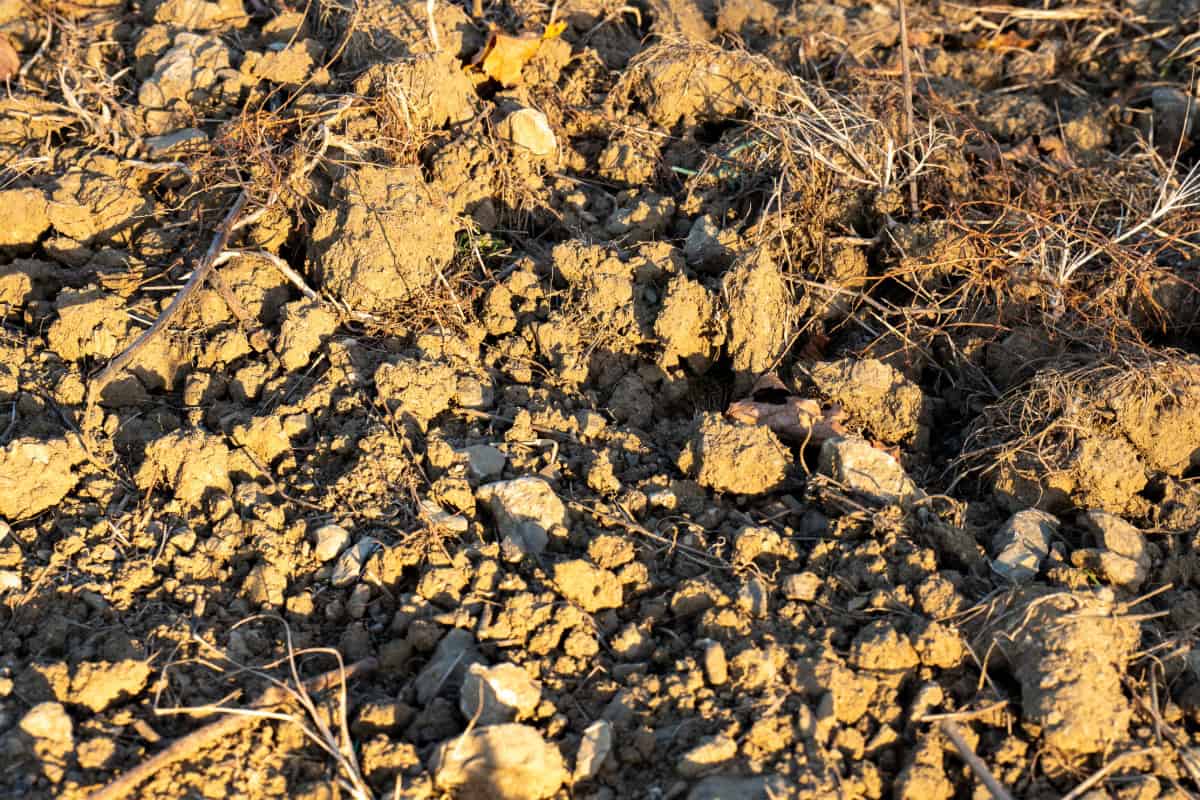
The soils of the Tenute Friggiali estates recount the geological history of Montalcino with rare precision.

The subsoil is primarily composed of galestro and alberese — the two souls of great Sienese viticulture — with the unmistakable presence of flint stones, which bear witness to the volcanic origins of these hills.

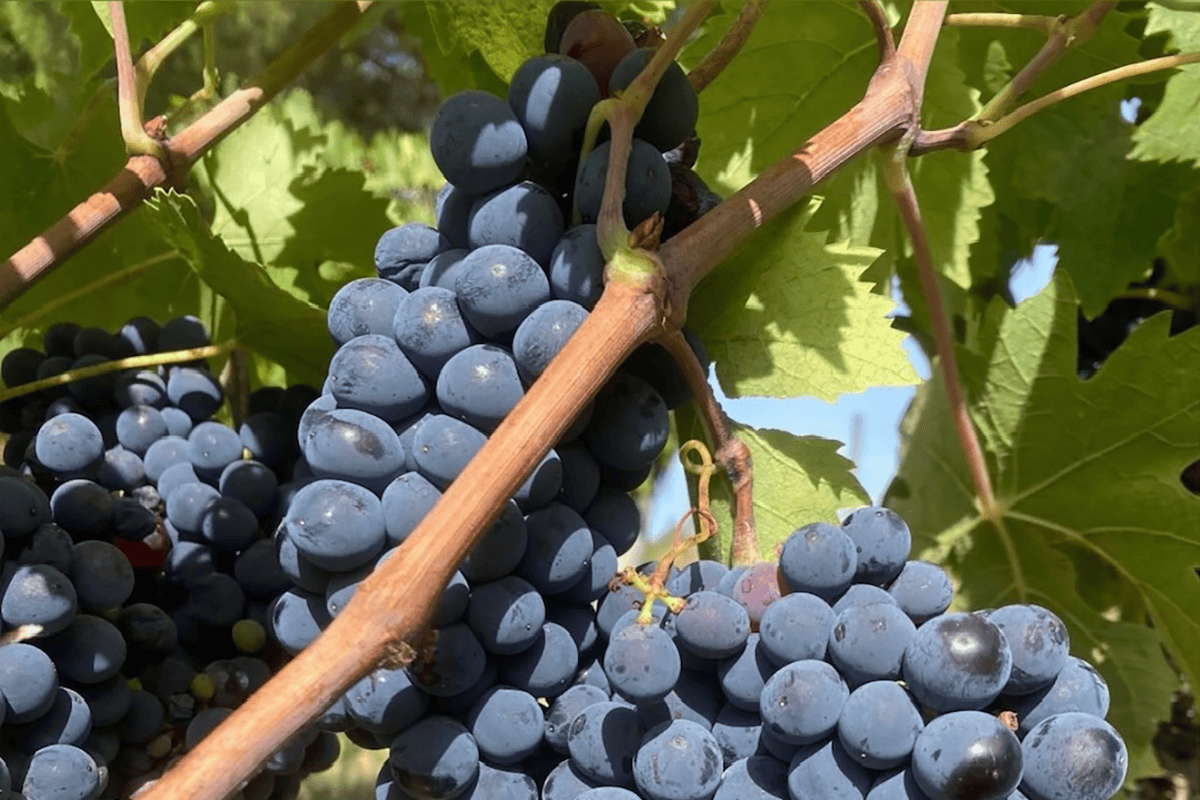
These are poor, well-drained lands, capable of providing the Sangiovese Grosso roots with the perfect level of water stress: a controlled tension that forces the vines to reach deep into the earth, concentrating within the berries all the aromatic complexity that defines Brunello di Montalcino.

The altitude, ranging between 350 and 450 meters above sea level, along with the privileged exposure, ensures significant diurnal temperature shifts. These fluctuations are essential for preserving the grapes’ natural acidity and freshness.

It is a balance of natural forces that cannot be built: it is inherited, respected, and safeguarded.

terroir_friggiali
Pruning

Pruning

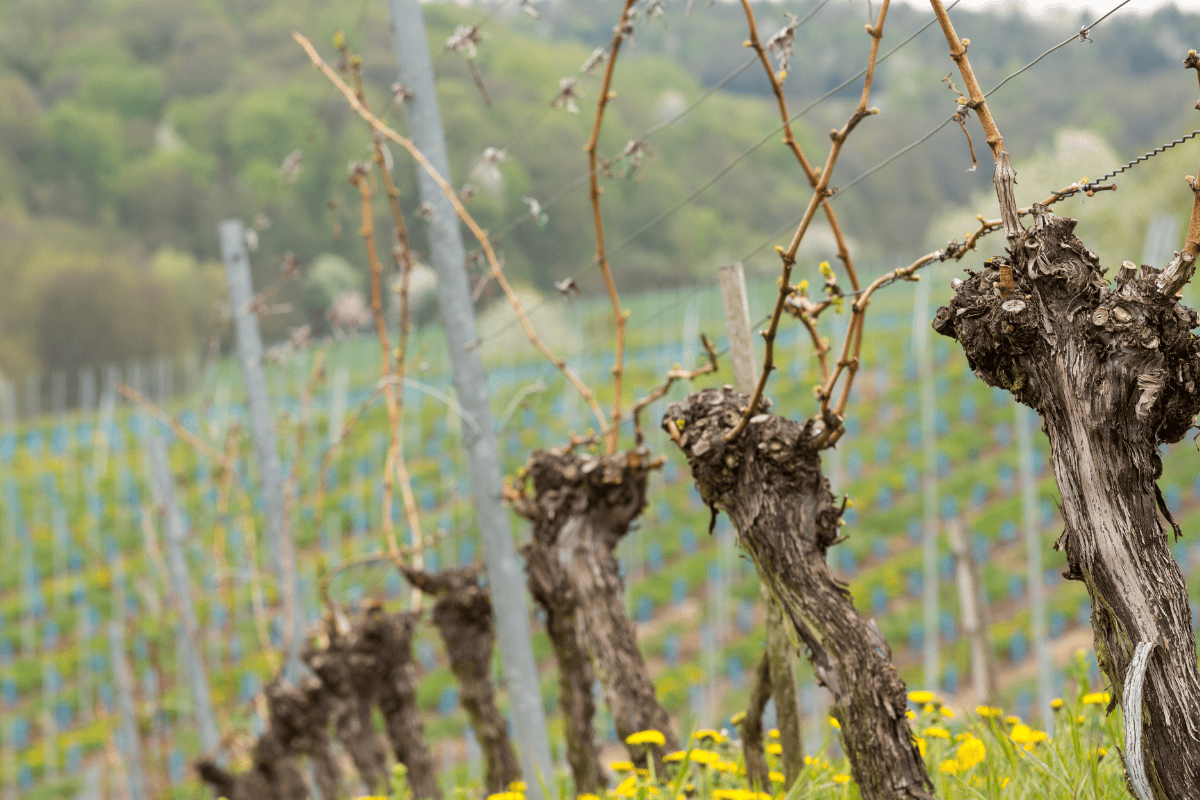
Pruning is essential. The quality of the harvest and the longevity of the vine parcels depend entirely on its success.

The number of buds per vine determines the delicate balance of vigor: leaving an excessive number of buds leads to an overabundant yield that fails to reach an optimal level of ripeness.

Conversely, pruning that is too severe results in excessive vigor, encouraging the vine’s vegetative growth at the expense of berry maturation.

There exists an optimal balance—not just for every parcel, but for every individual vine—that only expert viticulturists can instinctively identify.

The winter pruning continues in the spring with green pruning (canopy management).

This primarily serves to prevent excessive foliage density, which can be detrimental to the clusters’ sun exposure.

Yields

Since its inception, Agricola Centolani has practiced green harvesting (diradamento), which involves removing a certain number of clusters per vine before the onset of ripening.

In most young vineyards, the potential harvest is often too abundant to produce a high-quality wine. By reducing the crop mid-way through the season—specifically during veraison at the beginning of August—we promote the optimal ripening of the remaining clusters without excessively increasing the vine’s vigor.

This technique also allows us to select the finest clusters, eliminating those that are poorly positioned or lagging in development compared to the others. It is truly “tailor-made” work, berry by berry, reflecting the increasingly precise and rigorous care dedicated to vineyard maintenance.

The vineyard yield (expressed in kilograms of grapes or hectoliters of wine per hectare) is a key factor in grape quality. An overabundant harvest never reaches true maturity, as the vines exhaust themselves by nourishing too many clusters simultaneously. To protect both the quality of the wines and the longevity of the vines, Agricola Centolani has set production limits that are consistently among the most restrictive in the region.

poggiotondo
Ripening

Ripening

The attainment of perfect ripeness in the berries is the fundamental prerequisite for crafting a great wine. Every viticultural practice we employ is oriented toward this single goal. Yet, the most decisive factor remains the terroir: it is the land’s ability to allow a specific grape variety to “ripen well” that distinguishes the greatest crus.

Allowing a berry to “ripen well” means ensuring that all its components—sugars, acidity, aromas, and tannins—evolve together at the same pace We are fortunate to benefit from a temperate climate and a moderately rich soil, which allow our vines to guide the grapes through this process, ultimately achieving a perfect balance.

The vine’s annual cycle culminates in the harvest, performed strictly by hand by our farmers. Equipped with shears and crates, they gather the fruits of a year’s labor with a spirit of joy and patience.